

I was scrolling through X the other day, half procrastinating, half “market research”
When two posts kept popping up on my feed.
One was Coca-Cola’s new AI-generated Christmas ads.
The other was the Heineken billboard trolling that AI pendant called “Friend.”
I realized
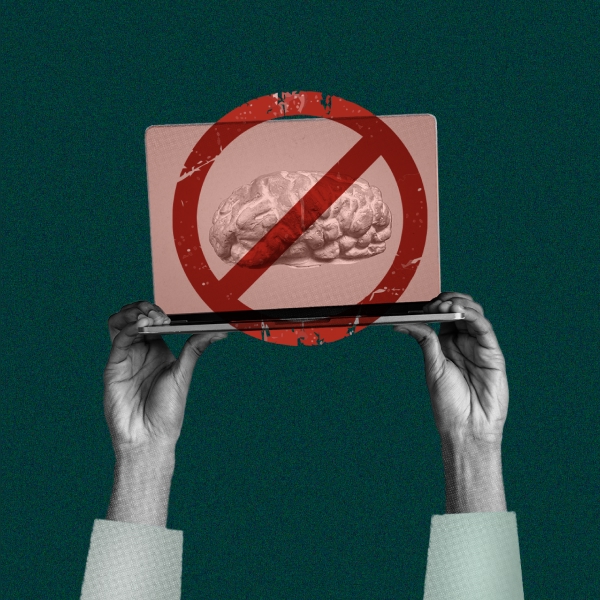
Oh. People aren’t just tired of AI.
People are annoyed.
And as someone who works in branding, watching all of this unfold felt like watching a cultural mood shift in real time.
Let me walk you through it.
The moment the internet turned… again
First: Coca-Cola.
Last year, Coke tried using AI for their Christmas ads, and the internet quickly pointed out how odd they looked
This year, they tried again, upgraded visuals, more polished renderings, but the backlash was worse.
People called it “soulless,” “cheap,” “AI slop,” and my favourite one:
“It looks like a bootleg Snowpiercer fan edit.”
But the real anger wasn’t about aesthetics.
It was fear.
“If Coca-Cola can replace illustrators, what about my job?”
Creative workers, retail workers, agency staff… everyone feels the pressure.
And Coke’s casual “this is the future” tone didn’t help.
Then came the Friend AI drama.
A startup placed 11,000 subway ads in New York City promoting an AI “companion” pendant.
It took a week for New Yorkers to vandalise everything with graffiti like:
“Surveillance tool.”
“AI is not your friend.”
“Go touch grass.”
The founder loved the attention.
But everyone else? Not so much.
Then Heineken entered the chat
This is the part that made me smile as a strategist.
Heineken moved fast.
They replaced the pendant with a bottle opener in the exact same shape.
Same layout. Same visual language.
Just one new line:
“The best way to make a friend is over a beer.”
It was cheeky, yes.
But it also made a clever point:
Everyone is trying to invent AI “friends,”
and Heineken is the only one reminding us:
Real friends are still better.
This is how you hijack culture without coming off as preachy.
You join the conversation, not dominate it.
So… why is everyone suddenly anti-AI branding?
I don’t think people hate AI.
I think people hate feeling replaced, ignored, or treated like they won’t notice.
Here’s what’s actually happening:
1. AI branding feels cold and “too perfect”
Humans connect with quirks, flaws, and personality.
AI smooths all of that out.
2. People fear the implications
When a giant brand uses AI, the public sees it as:
“Why hire artists when we can generate this in 30 seconds?”
3. Nostalgia is sacred territory
Coca-Cola created the modern Santa Claus.
People feel emotionally attached to their Christmas ads.
AI cheapens that legacy.
4. Humans are craving realness
There’s a loneliness epidemic.
Of course people vandalised an ad selling an “AI friend.”
Consumers want human connection, human stories, human flaws.
What does this mean for small brands?
This is the part founders always ask me:
“Should we stop using AI?”
And my answer is always:
No.
But use AI like seasoning, not the whole meal.
Here’s the simple rule:
AI stays backstage.
Humans stay front-stage.
Use AI to speed up the work, not to be the work.
What founders should actually do:
1. Use AI for operations, not your brand soul
Brainstorming, copy drafts, content planning, perfect.
Avoid letting AI define your brand’s tone, visuals, or emotional narrative.
2. Keep your brand visually human
Real photos.
Real textures.
Real imperfections.
Not everything must be hyper-polished.
3. Add your lived experience to the story
AI can remix, but it can’t feel.
Your perspective is untouchable.
4. Be transparent about how you use AI
People don’t mind if AI helps you work faster.
They mind if you replace humans with machines and pretend it’s fine.
5. Double down on community and connection
If Heineken taught us anything, it’s this:
Brands win when they bring people closer, not when they replace them.
My honest take as a brand strategist
AI is powerful.
But branding has never been about power, it’s about presence.
You can’t automate soul.
You can’t generate nostalgia.
And you definitely can’t build trust with a tool that mimics instead of feels.
Small brands have an advantage right now.
You can still show your face.
You can still talk like a human.
You can still build connections through vulnerability, charm, and personality.
Big brands are stumbling because they forgot the basics.
You don’t have to.

Peace,
Pik
Kung Pik Liu • Founder of Design Angel
LinkedIn • Instagram • YouTube
Not sure what I do?
We help women entrepreneurs build brands as ambitious as they are—think brand strategy, brand identity, and marketing creatives. We do it all!
Want to see our work? Check it out!

